How to Respond When Family Members Continue to Deadname or Misgender You
It can feel like a punch to the gut every time a family member misgenders you. You’ve asked them time and time again to use your correct name and pronouns, and they seemed supportive of it. So why is it so hard for them to get it right?
This is a question a lot of my trans clients reflect on in therapy. They love their family but it’s hard to be around them when they continue to misgender you. It’s confusing to have them say they support you and are ok with you being trans, yet they keep getting your name and pronouns wrong.
You didn’t mind as much the first few times it happened because you reminded yourself that they’re learning. But now it’s gotten to a point where their continued slip-ups are painful and correcting them has become exhausting.

Why Does it Hurt When I’m Misgendered or Deadnamed?
Misgendering happens when someone uses the incorrect pronouns or gendered language to refer to you. For example, they might use the pronouns associated with your sex assigned at birth.
Deadnaming is when a person is called by the name they had before transitioning; the name they had before their chosen name.
There’s an emotional and mental impact to being misgendered or deadnamed, whether it’s one time or multiple times. Being misgendered can trigger dysphoria, anxiety, post-traumatic stress, and body dissatisfaction. It invalidates your identity and hurts your self-confidence.
“It’s like getting hit with … bag of rocks to your chest” - Mark, nonbinary
While a family member might not intend to hurt you, the impact is real. You’re not being “too much” for asking family members to use your correct name and pronouns. Being known, recognized, and acknowledged for who you are allows you to feel seen, supported, and loved. That is all you’re asking for when you ask family members to stop misgendering you.
What Do I Say When Family Members Misgender Me?
Responding to your family members can be as short and straightforward as stating your correct name and pronouns when they use the wrong ones. Being firm, brief, and consistent with correcting them can help if their misgendering is something that happens unintentionally.
If they’re misgendering you intentionally, and it’s safe enough to talk to them about it, you can let them know the impact it has on you. Try focusing on how it impacts you as their family member and how it impacts your relationship with them. For example: “I’ve asked you to use my new name. I want to feel like I matter in our family and I need you to respect my name in order to feel that.”
Change takes time. Trans folks are often put in the position of having to be incredibly patient with the people around them. Some of your family may be worth being patient for, while others might never become supportive. It’s ok to protect yourself and be intentional with which family relationships you fight for.
What to Do If They Still Don’t Respect You
If your family continues to misgender you, there are several options for you to consider:
Setting firmer boundaries with your family. If your family continues to use your deadname and misgender you, you can set boundaries with how much time you spend with them. You might need to choose distance from family members in order to preserve your mental health.
Adjusting your gender presentation to be more gender-affirming. In response to being misgendered and deadnamed, some nonbinary folks find themselves embracing more gender-affirming presentations. For example, if they are misgendered as feminine, they respond by taking on more gender-affirming masculine or androgynous presentations.
Acceptance. Only you can decide if it’s worth accepting your family’s limitations in fully affirming you. While you certainly don’t have to be ok with them misgendering you, some trans folks do find a place of acceptance with their family.
Build up your support. Seek out and lean on chosen family who respect and understand the importance of using your correct name and pronouns.
Taking Care of Yourself After Deadnaming
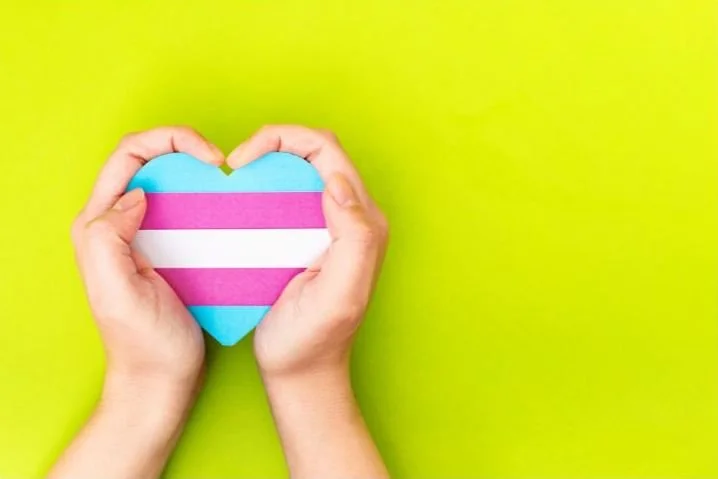
Acknowledge your feelings. The hurt you feel from being misnamed is real. You’re not ‘overreacting’ or being too sensitive. It’s okay to feel upset, angry, or sad about it.
Build resilience. Connect with the things you love about being trans or nonbinary. What are some of the strengths of trans and nonbinary folks that you admire and inspire you?
Find support. Online or local LGBTQ+ groups provide a space where people can share their experiences with deadnaming and learn coping strategies from each other. You can also get support from a gender-affirming therapist.
Final Thoughts
You are valid no matter what anyone else says. Being deadnamed or misgendered hurts, especially by family. It always sucks to see your family’s transphobia prevent them from getting to know and love you for who you fully are. Even when your relationship with family is not easy, you learning to not abandon yourself is powerful.
You deserve to be seen and respected for who you are.
If you’re looking for a therapist who gets that, I’m here. I’m a gender therapist in Minneapolis and I’d love to support you with dealing with transphobic family.
This blog is informed by the following articles:
Arechederra, C. (2023). Shifting Presentation: How Nonbinary College Students Respond to Deadnaming and Misgendering. PANDION: The Osprey Journal of Research and Ideas, 4(1), 16.
Jacobsen, K., Davis, C. E., Burchell, D., Rutherford, L., Lachowsky, N., Bauer, G., & Scheim, A. (2023). Misgendering and the health and wellbeing of nonbinary people in Canada. International journal of transgender health, 25(4), 816–830. https://doi.org/10.1080/26895269.2023.2278064
Swannell, C. (2020). Misgendering harms health of trans individuals. The Medical Journal of Australia, 1.
